The Power of Local Arts: Community Connections
When you think about art, what comes to mind? Perhaps a grand painting hanging in a museum or a famous sculpture in a bustling city park? While those cultural icons are certainly impressive, let’s take a moment to appreciate the heartbeat of creativity that thrives right in our neighborhoods. Local arts not only enrich our lives but also weave a tighter social fabric. Let’s dive into real-world stories that illuminate how community-based arts can forge connections, foster understanding, and ignite passion.
The Neighborhood Gallery: A Catalyst for Connection
In the heart of my hometown, there’s a tiny gallery that often goes unnoticed. But for residents like Mrs. Thompson, an octogenarian who’s lived on the same street for decades, it’s a lifeline. Last summer, the gallery hosted a series of community art classes. Not only did Mrs. Thompson discover a hidden talent for watercolor painting, but she also made friends with a local teenager, Jake, who volunteered to help with the classes. Through shared creative experiences, they formed a bond that transcended generations—a reminder that art can foster relationships even amidst significant age gaps.
Street Murals: A Canvas for Change
Have you ever walked by a vibrant mural and felt the urge to stop, take a picture, or simply admire? Local artist Maya Rodriguez turned a neglected alleyway into a colorful mural that tells the story of our community’s struggles and triumphs. Funded by a local grant, Maya collaborated with residents to gather stories, which she then illustrated on the wall. The mural isn’t just a feast for the eyes; it has become a centerpiece for community gatherings. Residents share their experiences and reflect on the mural’s message, sparking conversations about inclusivity and hope.
Craft Fairs: More Than Just Sales
Every year, our town hosts a craft fair that’s brimming with handmade goods, from pottery to homemade candles. While shoppers line up to buy unique items, the real magic happens in the interactions. I remember chatting with a local potter, Jane, who shared how she sources her clay from a nearby river. Hearing her story made me appreciate her work on a deeper level. It’s moments like this that remind us that art and craft are not just products; they are personal narratives that connect us to our roots and to each other.
Arts as a Healing Tool: Community Resilience
The transformative power of art can be particularly profound in times of hardship. Whether it’s dealing with loss or overcoming adversity, creative expression often serves as a healing balm. Many communities have turned to art as a way to cope, share, and ultimately heal together. Let’s explore how art has played a vital role in navigating through pain and finding resilience.
In our downtown park, a weekly poetry reading has become a haven for many. Last fall, I decided to attend, drawn in by the sounds of passionate voices reciting their verses. It was there I met Mark, a veteran who shared a poem about his experiences in the service. His heartfelt words resonated with me and many others; several attendees approached him afterward, sharing their own stories of loss and recovery. The event transformed what could have been a solitary experience into a communal healing space where pain was acknowledged and solace found.
Art Therapy: Professional Insights
Art therapists like Dr. Emily Chen emphasize the importance of creative expression for mental health. In her practice, she uses various art forms to help clients explore their feelings without the constraints of traditional talk therapy. For instance, she recently worked with a group of teens struggling with anxiety. By encouraging them to paint their feelings, they discovered a new language for their emotions, leading to breakthroughs that traditional methods hadn’t achieved. It’s a powerful reminder that creativity can be a bridge to self-discovery and healing.
Community Theater: A Stage for Stories
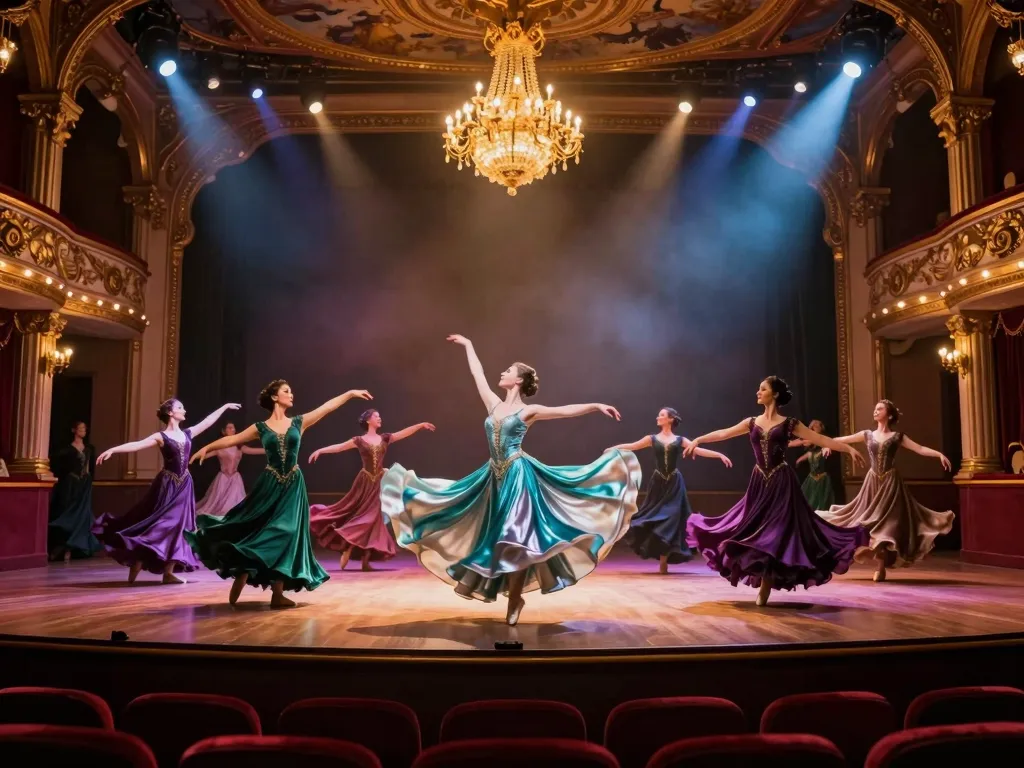
Community theater has a unique ability to bring narratives to life, and last winter, I was fortunate enough to be part of a local production. The play, written by a high school student, tackled themes of bullying and acceptance. The cast comprised individuals from all walks of life, and as we rehearsed, many shared personal experiences that mirrored the script. The final performance not only entertained but also sparked dialogue about the issues we face as a community. It highlighted how storytelling, in its many forms, can act as a vehicle for understanding and change.
The Digital Revolution: Art in the Age of Technology
With the rise of technology, the arts have found new platforms to reach audiences far and wide. From virtual exhibitions to online workshops, digital tools have opened up a world of possibilities for artists and audiences alike. Let’s explore how technology is reshaping the landscape of arts and entertainment while also bringing communities together.
Virtual Exhibitions: Art Without Borders
During the pandemic, many artists adapted by moving their exhibitions online. I attended a virtual gallery tour featuring local artists, and it felt as vibrant as an in-person event. One artist, Sam, showcased his digital paintings that captured the essence of our city. What was fascinating was the chat feature; attendees from different states shared their thoughts, creating an unexpected dialogue. This experience highlighted how technology can dissolve geographical barriers and foster community across vast distances.
Online Classes: Creativity from Home
Since many of us have been spending more time at home, platforms like Skillshare and Udemy saw a rise in creative courses. I signed up for a photography class taught by a local professional. The engaging community forums allowed us to share our work and receive feedback, creating a sense of camaraderie among participants. As we learned new techniques, we also developed friendships despite being miles apart. It was a reminder that creativity thrives even when we can’t be in the same room.
Social Media: A Creative Showcase
Have you ever scrolled through Instagram and found a local artist whose work captivated you? Social media has become a powerful tool for artists to showcase their work and connect with potential buyers. A personal favorite of mine is a ceramicist named Lily, who shares her creative process through Instagram stories. She often engages with her followers, asking for feedback on new designs. This interactive relationship fosters a sense of community, where fans feel more connected to her journey and support her endeavors. It’s a beautiful example of how social media can elevate local arts.
The Future of Arts & Entertainment: What Lies Ahead
As we look ahead, the future of arts and entertainment is poised for evolution. With changing demographics, cultural movements, and technological advancements, the arts are continuously reshaping themselves. Let’s uncover some trends that could influence the next chapter of community arts.
Diversity and Inclusion: A Collective Voice
One of the most encouraging trends is the increasing emphasis on diversity and inclusion in the arts. Community projects are now actively seeking to amplify underrepresented voices. For instance, a recent initiative in our city invited artists from various backgrounds to collaborate on a mural that reflects the richness of our community. By prioritizing inclusivity, we not only celebrate different perspectives but also enrich the narrative of our collective experience.
Environmental Consciousness: Art for a Cause
As awareness of climate change grows, many artists are using their talents to advocate for environmental issues. A group of local artists recently came together for an exhibition titled “Nature’s Echo,” where they showcased works highlighting the beauty of our planet and the urgency to protect it. The event drew crowds and sparked discussions about sustainability, reminding us that art can serve as a powerful tool for activism and change.
Innovation in Art Forms: Embracing the New
The advent of technology opens up new avenues for creativity. Interactive installations and augmented reality art are gaining traction, allowing audiences to engage with art in dynamic ways. Recently, a local artist created an augmented reality experience in a public park where visitors could use their smartphones to see animations overlaid on sculptures. It’s a thrilling blend of art and technology that not only entertains but also challenges our traditional notions of what art can be.
Celebrating Arts: Practical Steps for Community Engagement
Now that we’ve explored various facets of community arts, how can we actively engage with and support the artistic endeavors around us? Here are some practical steps you can take to become involved in your local arts scene.
Volunteer Your Time
Your time is invaluable, and local arts organizations are always looking for volunteers. Whether it’s helping set up for an event, assisting with workshops, or promoting shows on social media, your contribution can make a significant impact. I started volunteering for a local theater group, and not only did I learn more about the performing arts, but I also made friends who share my passion. It’s a win-win!
Attend Local Events
Make it a point to attend local gallery openings, theater productions, and music festivals. You’d be surprised how much talent exists in your backyard. Plus, it’s a great way to meet like-minded individuals and support local artists. I remember attending a music festival where I stumbled upon an amazing indie band that I now follow regularly. Your presence at these events can be a powerful encouragement to artists.
Support Local Artists
Consider investing in local art—whether it’s a painting, a handmade piece of jewelry, or a beautifully crafted piece of furniture. Buying local not only supports the artist but also helps grow the local economy. Additionally, sharing their work on social media or simply talking about them with friends can spread the word and help them gain recognition. Every little bit helps!